🌪 The 1944 Hurricane in Ocean City, New Jersey
In mid-September 1944, one of the most powerful hurricanes ever to affect New Jersey struck the Jersey Shore. Known historically as the 1944 Atlantic Hurricane, the storm made landfall on September 14–15 as a Category 3 hurricane before tracking north through the region. Although the center of the storm passed north of Ocean City, its effects were severe. Sustained high winds and powerful gusts estimated over 100 miles per hour battered homes, businesses, and the boardwalk, while significant storm surge and pounding surf reshaped the shoreline.
Large sections of boardwalk were damaged or destroyed, roofs were torn from buildings, and oceanfront properties experienced heavy flooding. Beaches were stripped away by erosion, and dunes that once offered natural protection were flattened. The storm’s fast-moving nature meant intense wind damage occurred in a relatively short period of time — a stark contrast to slower coastal storms that would later impact the region.
The 1944 hurricane occurred during World War II, a time when weather forecasting technology was limited and coastal blackout restrictions were in place. Advance warning was minimal compared to modern standards, leaving residents and officials with little time to prepare. The event highlighted the vulnerability of barrier island communities like Ocean City and reinforced the need for stronger coastal construction and long-term shoreline management.
For many longtime residents, the 1944 hurricane stood as the benchmark for destruction along the Jersey Shore until it was later compared to the Ash Wednesday Storm of 1962. Together, these storms remain defining moments in Ocean City’s history, shaping the way the community builds, protects, and preserves its iconic beachfront and boardwalk.

4th & Boardwalk 1944 - Photographer Unknown

- Photographer Unknown

10th & West - Photographer Unknown

900 Block 4th Street - Photographer Unknown

- Photographer Unknown

900 Block 4th Street - Photographer Unknown

5th & Boardwalk - Senior Studio
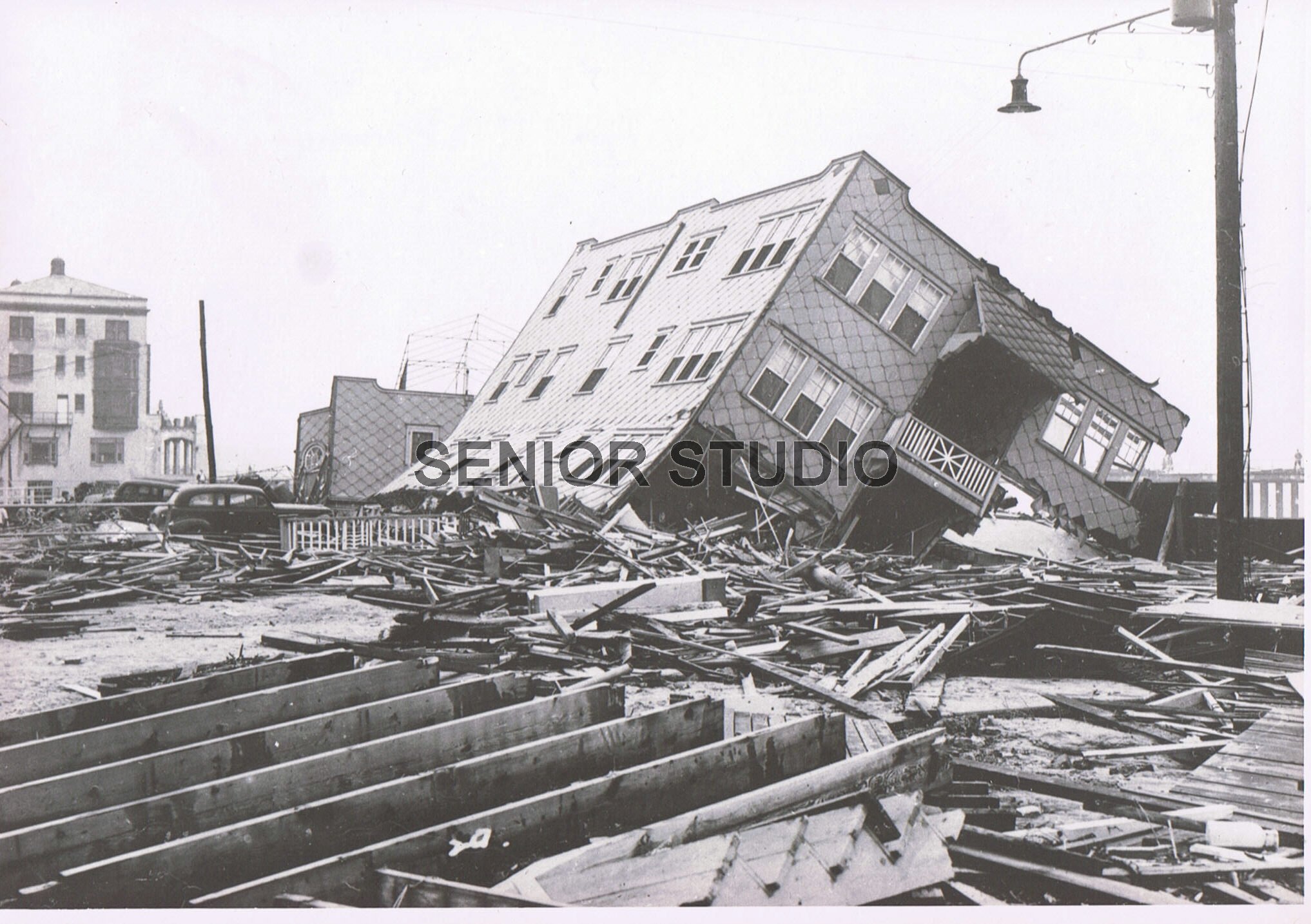
1944 Hurricane 4th Street Boardwalk - Photographer Unknown


1944 Hurricane 4th Street Boardwalk Credit Gail Messick Stewart
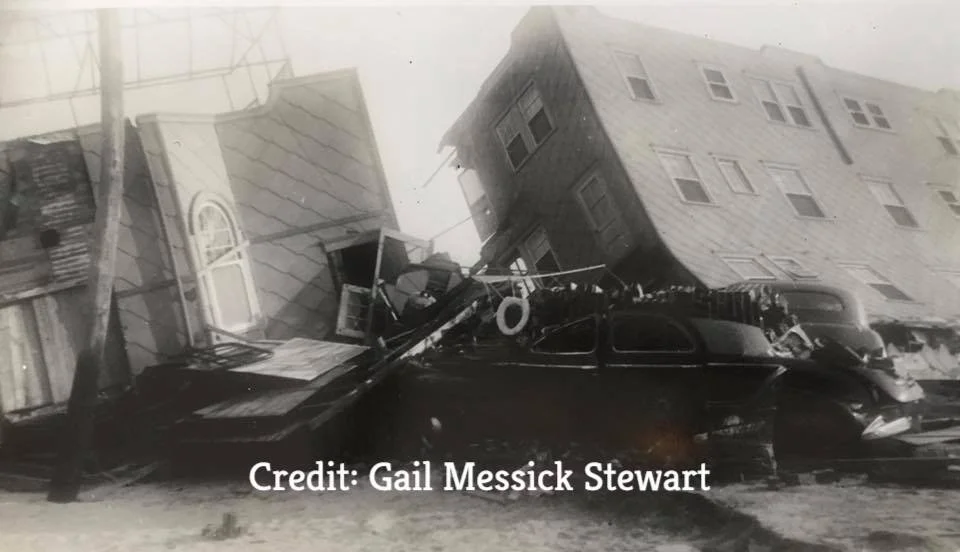
1944 Hurricane 4th Street Boardwalk Credit Gail Messick Stewart 3

1944 Hurricane Credit Gail Messick Stewart

1944 Hurricane 4th Street Boardwalk Credit Gail Messick Stewart

1944 Hurricane 4th Street Boardwalk Credit Gail Messick Stewart

1944 Hurricane Between 3rd and 4th on Corinthian Credit Gail Messick Stewart

1944 Hurricane Credit Gail Messick Stewart
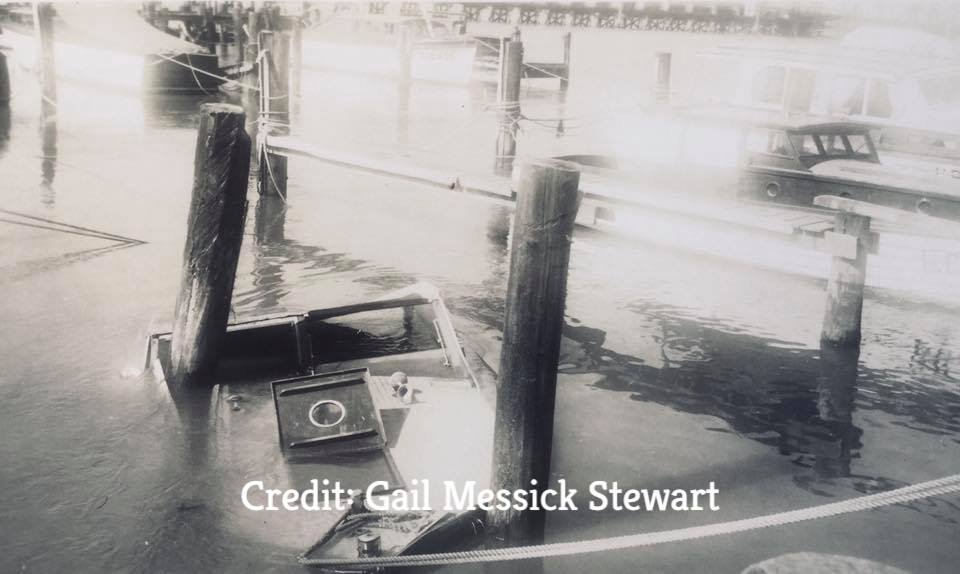

- Photographer Unknown

1944 10th Street Comfort Station - Photographer Unknown

1944 Hurricane 4th Street Boardwalk - Photographer Unknown

1944 Hurricane 4th Street Boardwalk - Photographer Unknown

1944 Hurricane 4th Street Boardwalk - Photographer Unknown

1944 Hurricane Between 11th and 12th Street Boardwalk - Photographer Unknown

1944 Hurricane 400 Block Bay Ave - Photographer Unknown
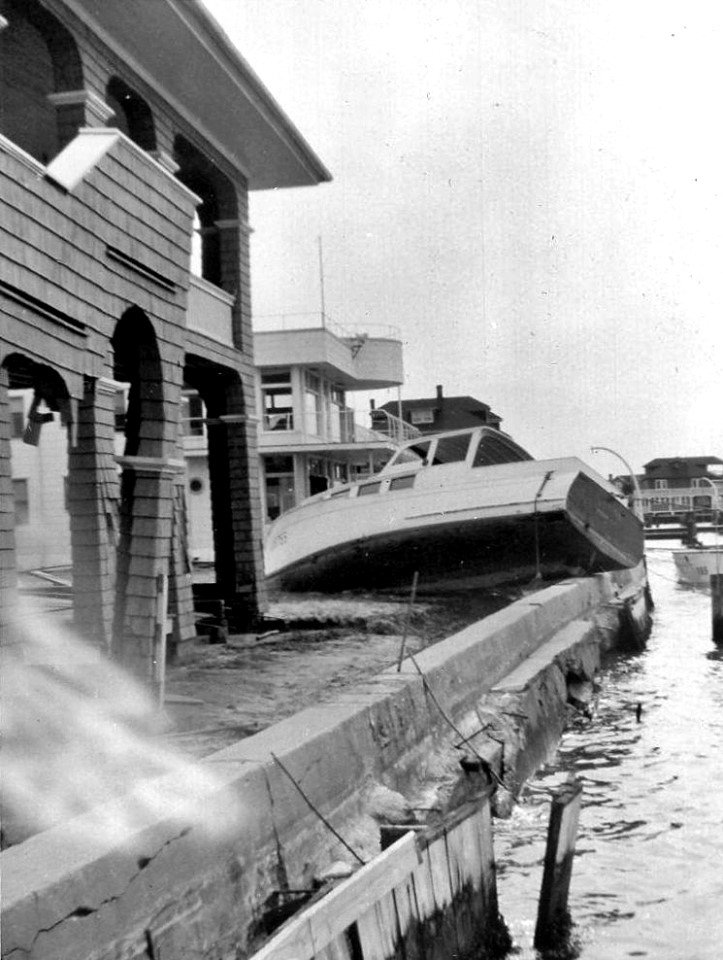
1944 Hurricane 400 Block Bay Ave

1944 Hurricane Looking South From 2nd Street

1944 Hurricane Looking North From North Street
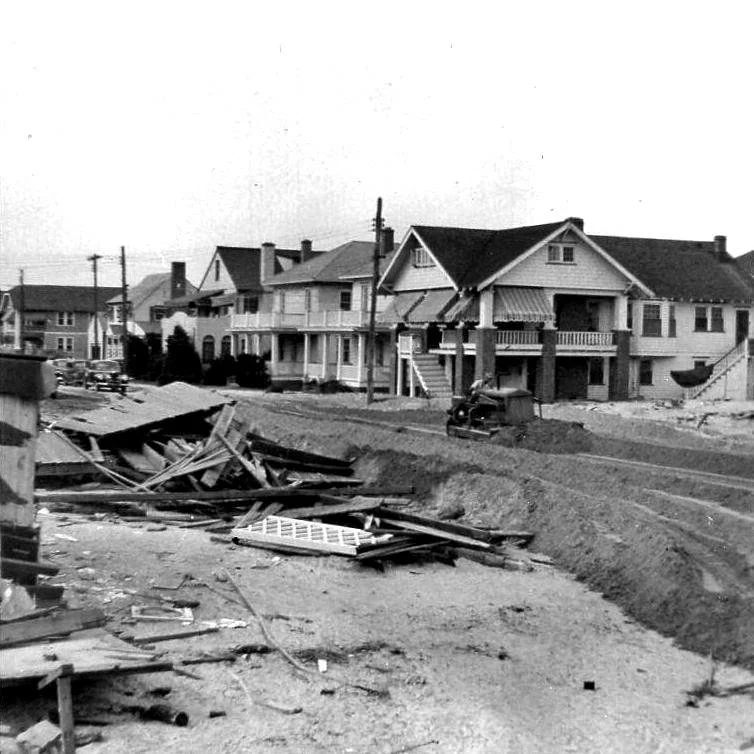
1944 Hurricane St. James and Corinthian
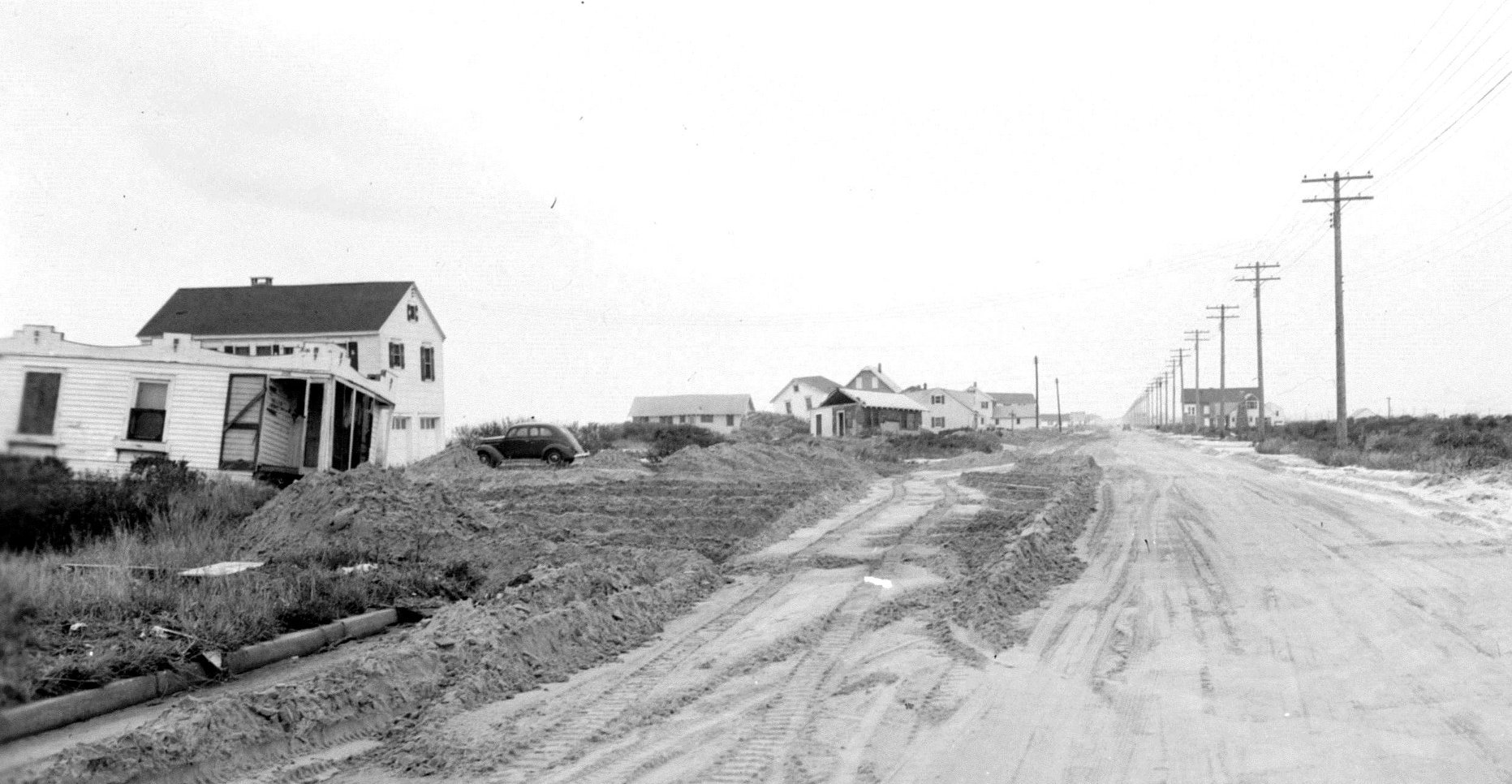

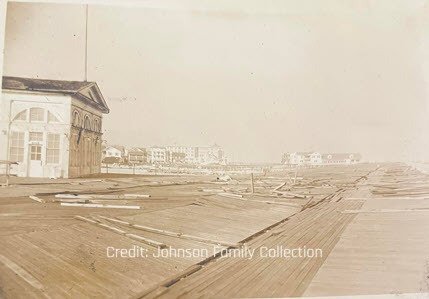
1944 6th and Boardwalk Looking North Towards Johnson's Ice Cream - Image Credit: Johnson Family Collection
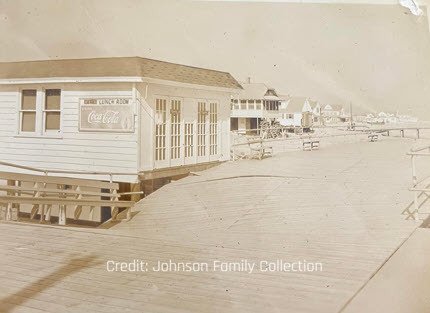
1944 1st and Boardwalk, Across From The First Aid Station- Image Credit: Johnson Family Collection
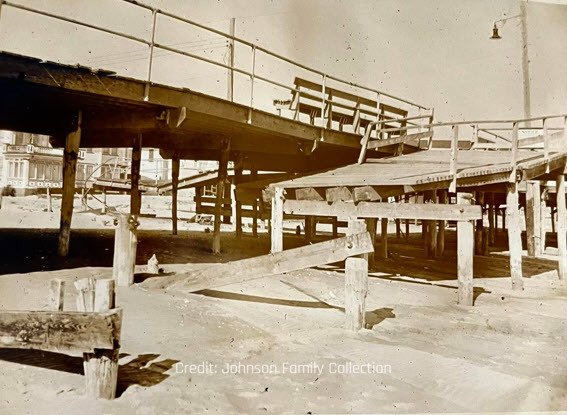
1944 1st and Boardwalk- Image Credit: Johnson Family Collection

1944 1st Street First Aid Station Beach Side- Image Credit: Johnson Family Collection
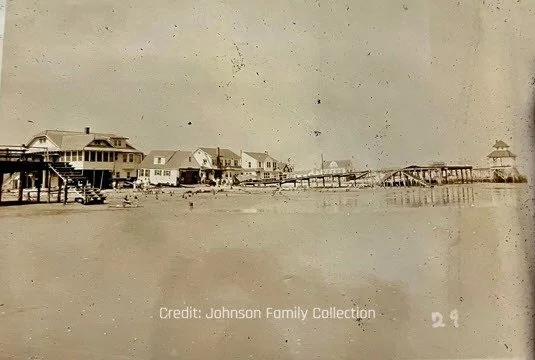
1944 1st Street Looking North- Image Credit: Johnson Family Collection
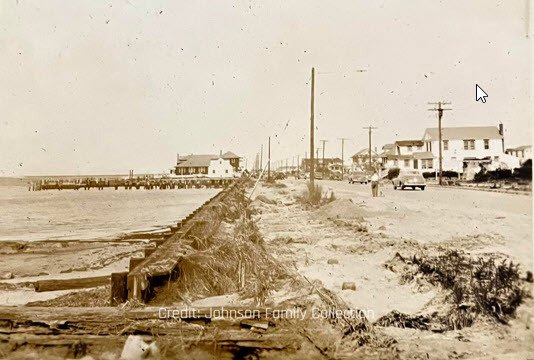
1944 2nd and Bay Ave. Where Harbor House is Located Today- Image Credit: Johnson Family Collection
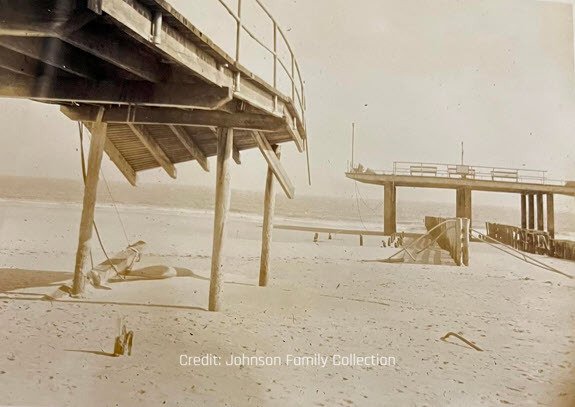
1944 2nd and Boardwalk- Image Credit: Johnson Family Collection
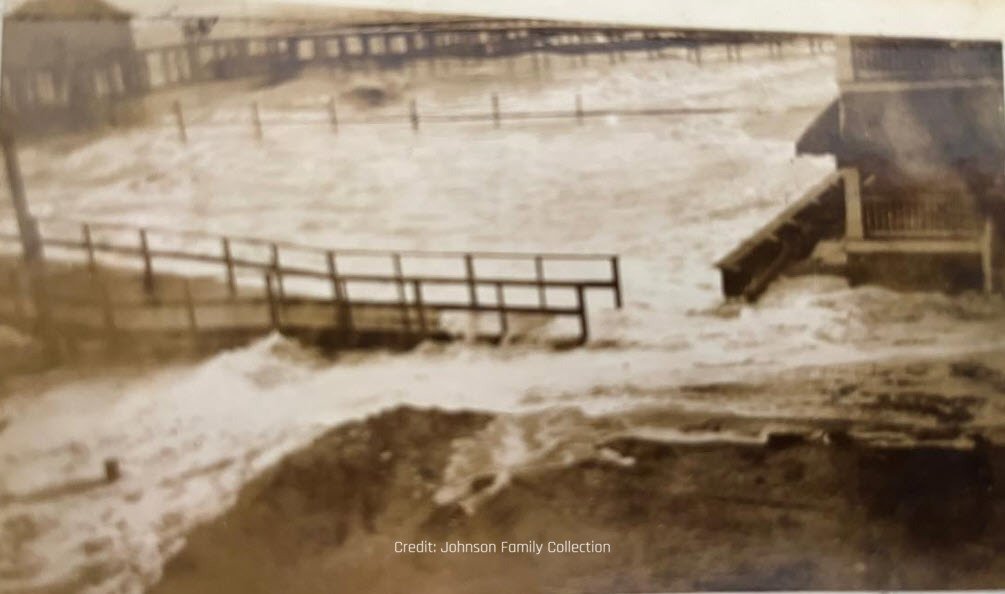
1944 4th and Boardwalk 2- Image Credit: Johnson Family Collection
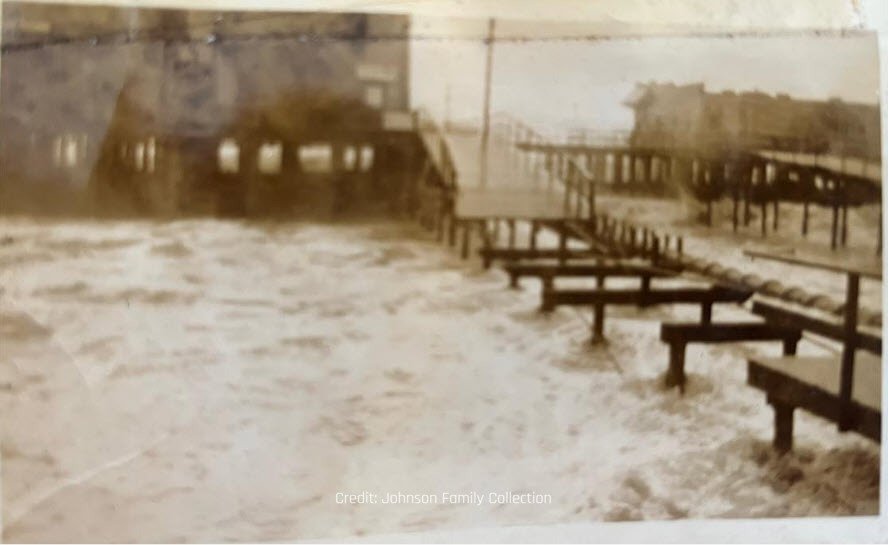
1944 4th and Boardwalk- Image Credit: Johnson Family Collection
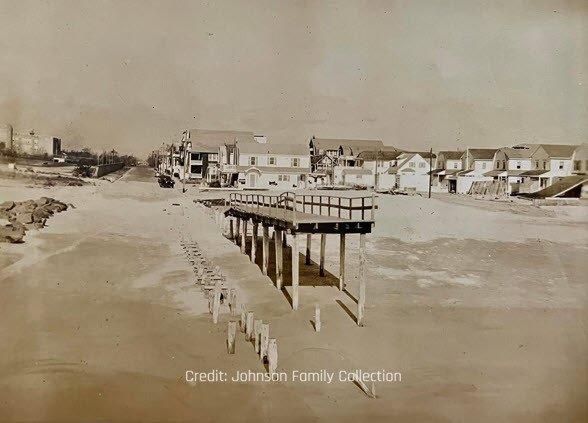
1944 5th and Boardwalk Looking West Towards High School- Image Credit: Johnson Family Collection
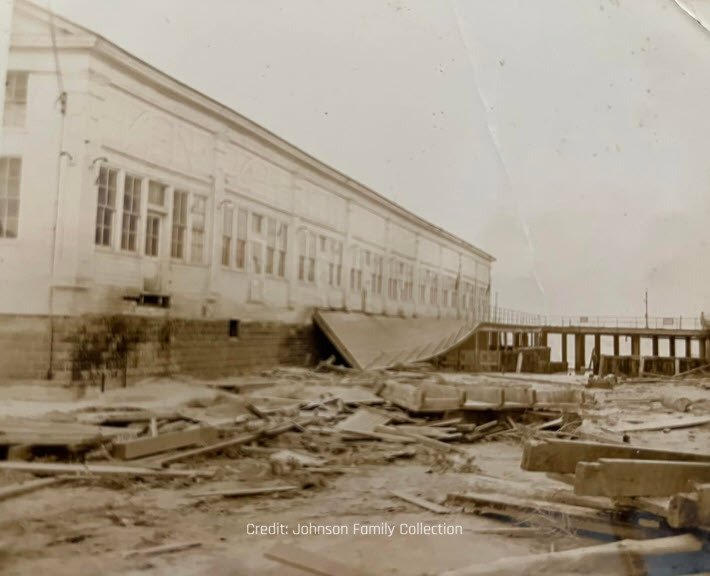
1944 6th and Boardwalk Convention Hall- Image Credit: Johnson Family Collection
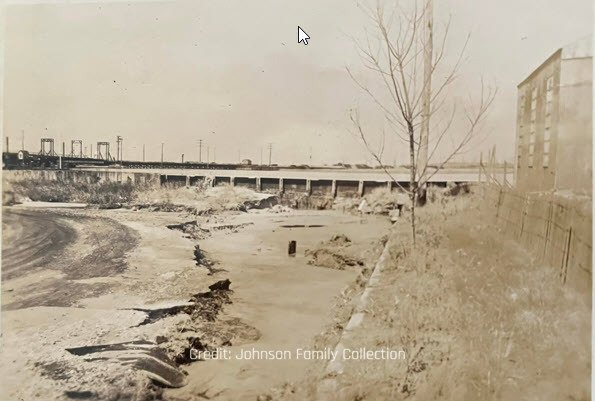
1944 7th and Bayfront - Note the Trolley Tracks to the left- Image Credit: Johnson Family Collection
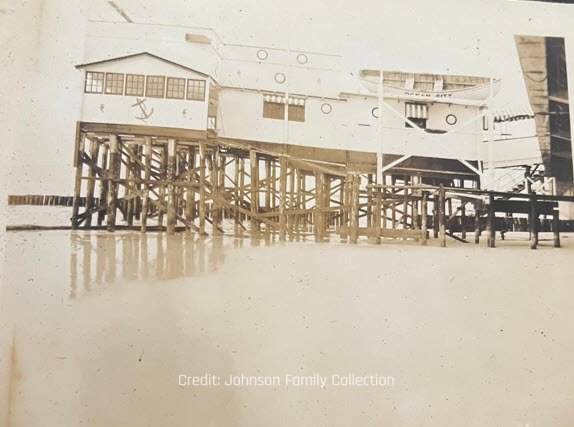
1944 10th Street North Side- Image Credit: Johnson Family Collection
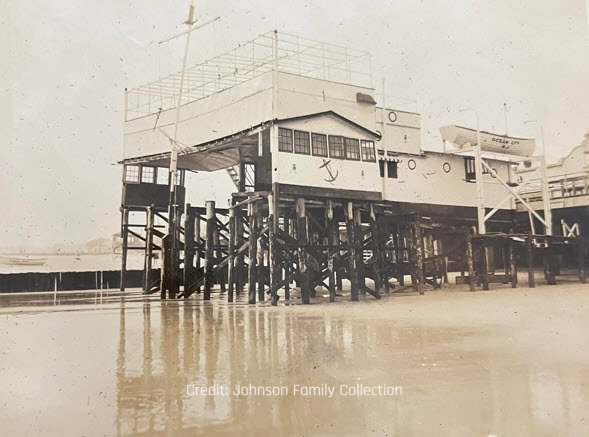
1944 10th Street Ocean Side- Image Credit: Johnson Family Collection
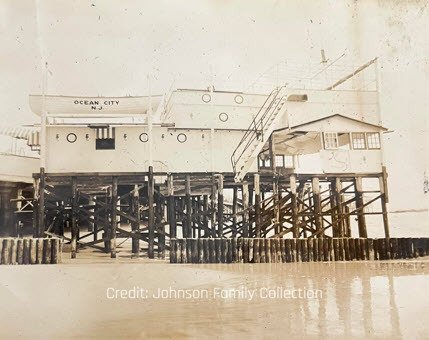
1944 10th Street South Side- Image Credit: Johnson Family Collection
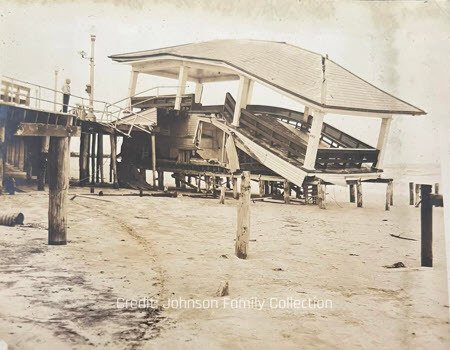
1944 12th Street Comfort Station- Image Credit: Johnson Family Collection
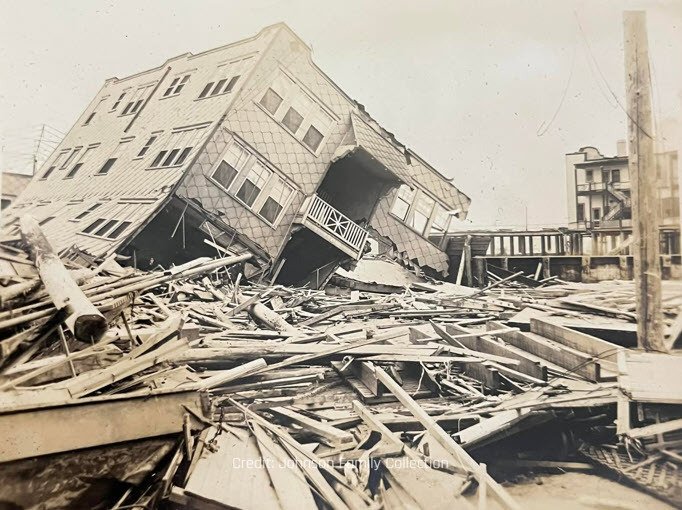
1944 900 Block 4th Street- Image Credit: Johnson Family Collection
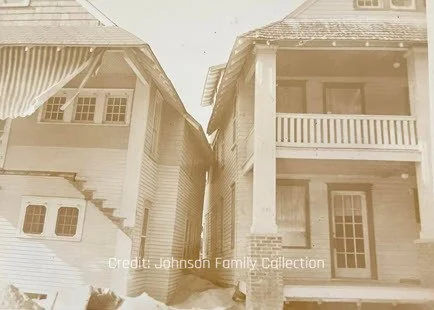
1944 914 Second Street Front- Image Credit: Johnson Family Collection
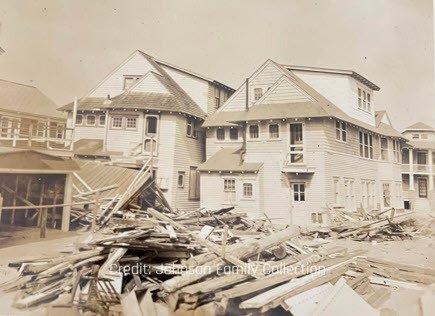
1944 914 Second Street Rear- Image Credit: Johnson Family Collection
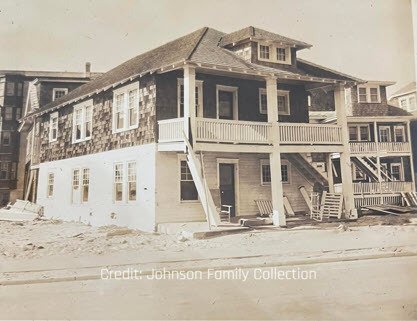
1944 920 Delancey Front- Image Credit: Johnson Family Collection
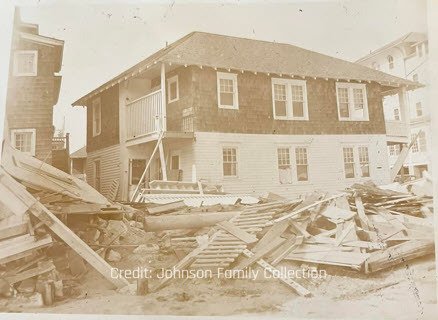
1944 920 Delancey Rear- Image Credit: Johnson Family Collection
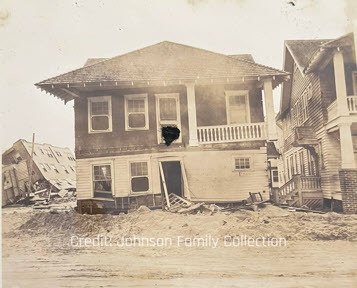
1944 920 Park Place Front View- Image Credit: Johnson Family Collection
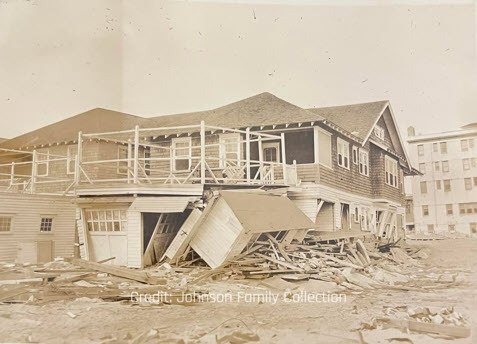
1944 920 Park Place Rear View- Image Credit: Johnson Family Collection
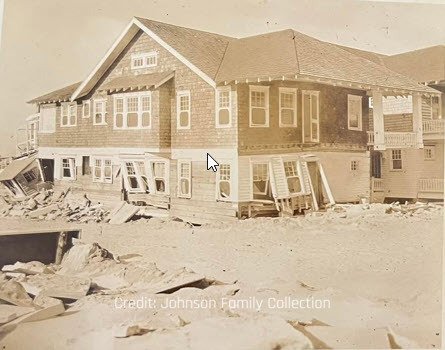
1944 920 Park Place Side View- Image Credit: Johnson Family Collection
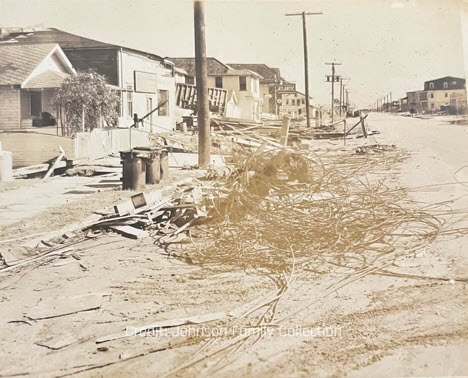
1944 Bay Ave Between 3rd and 4th Streets- Image Credit: Johnson Family Collection
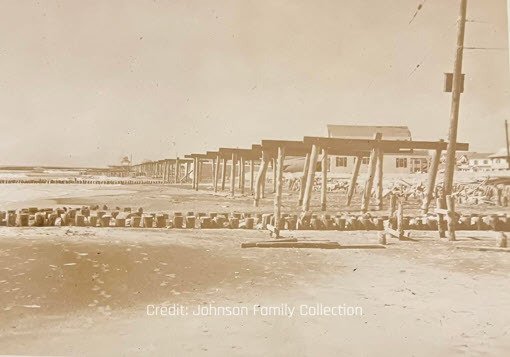
1944 Beginning of Boardwalk North End- Image Credit: Johnson Family Collection
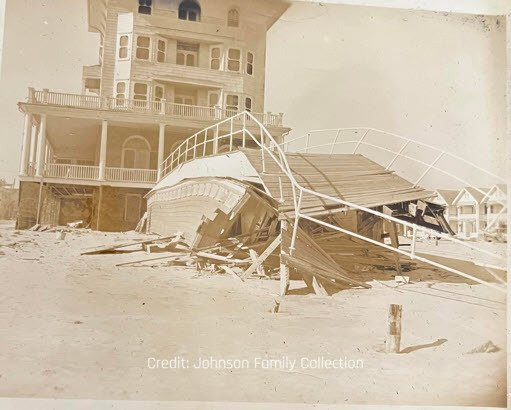
1944 Breakers Hotel- Image Credit: Johnson Family Collection
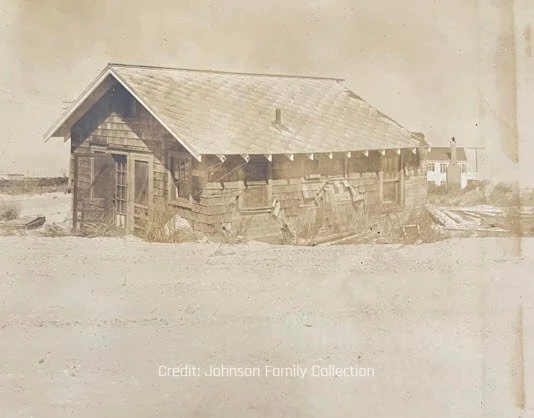
1944 Central Ave 38th Street- Image Credit: Johnson Family Collection
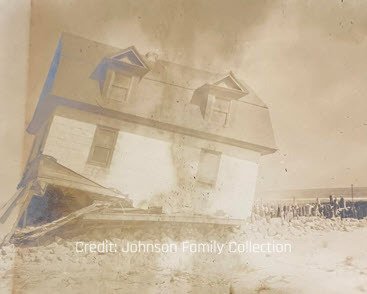
1944 Central Ave Between 46th and 47th
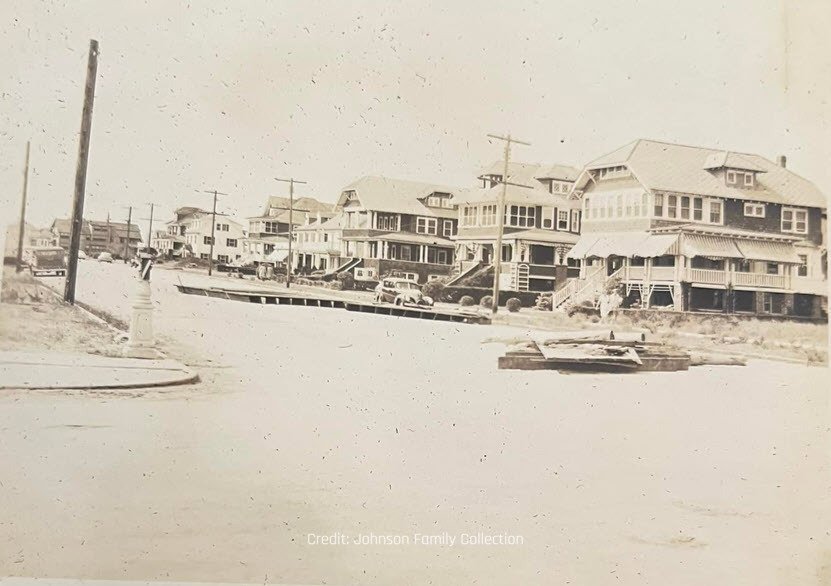
1944 East Atlantic Blvd - Notice The Fire Call Box on Corner
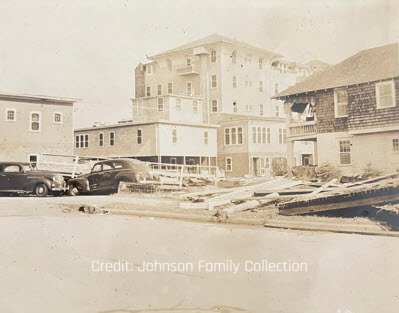
1944 Corintian and Pennlyn Place

1944 Delancey Place and Boardwalk- Image Credit: Johnson Family Collection

1944 Gardens Road- Image Credit: Johnson Family Collection

1944 Holtz Boat Dock- Image Credit: Johnson Family Collection

1944 Intersections Beach, Gull and Morningside Roads- Image Credit: Johnson Family Collection

1944 Last House on 3rd Street, North Side, Across From The Delaware Hotel- Image Credit: Johnson Family Collection

1944 Looking from North Street to Gardens Road- Image Credit: Johnson Family Collection
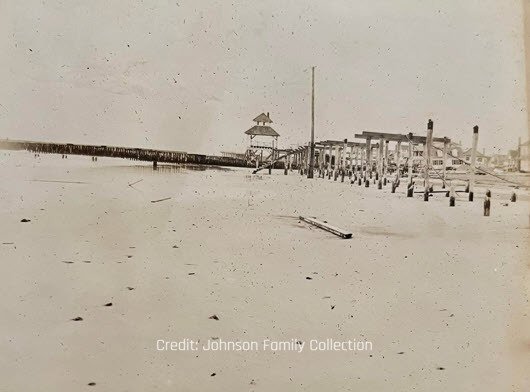
1944 Looking South From Morningside Road- Image Credit: Johnson Family Collection

1944 Mir-a-Mar Apartments 900 Block 4th Street- Image Credit: Johnson Family Collection
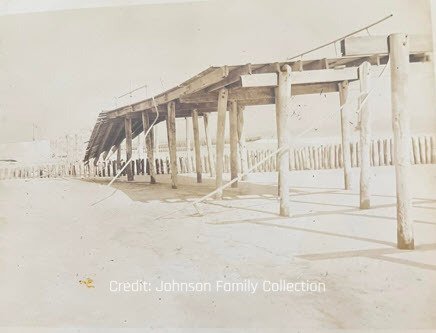
1944 Morningside Road- Image Credit: Johnson Family Collection
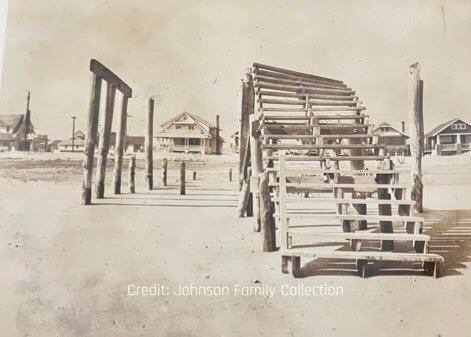
1944 North Street and Beach- Image Credit: Johnson Family Collection
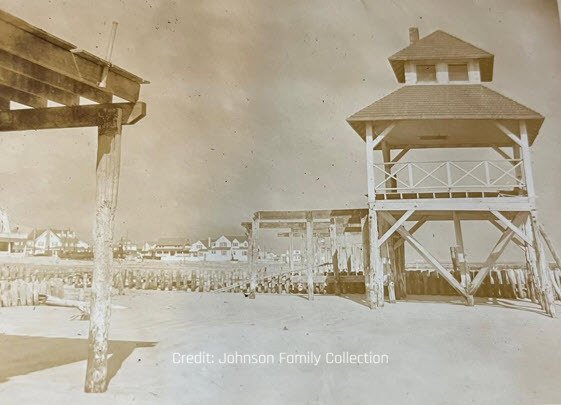
1944 North Street and Boardwalk- Image Credit: Johnson Family Collection
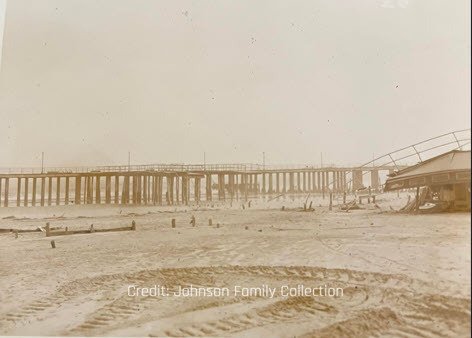
1944 Pennlyn Place and Boardwalk- Image Credit: Johnson Family Collection
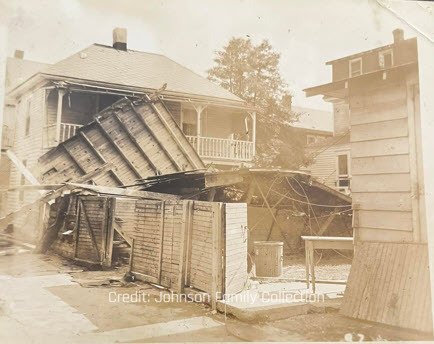
1944 Rear 841 Asbury Ave- Image Credit: Johnson Family Collection
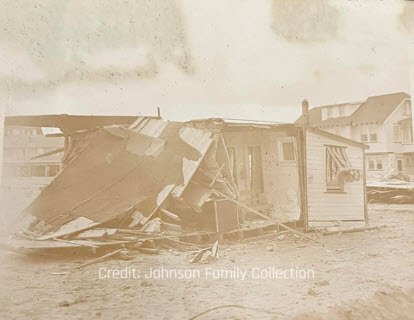
1944 Rear of Matthew's St James Place- Image Credit: Johnson Family Collection
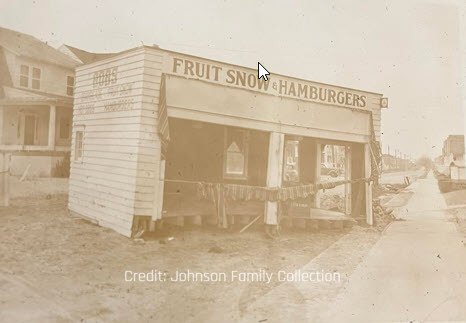
1944 Rear View Bob's 1st Street- Image Credit: Johnson Family Collection
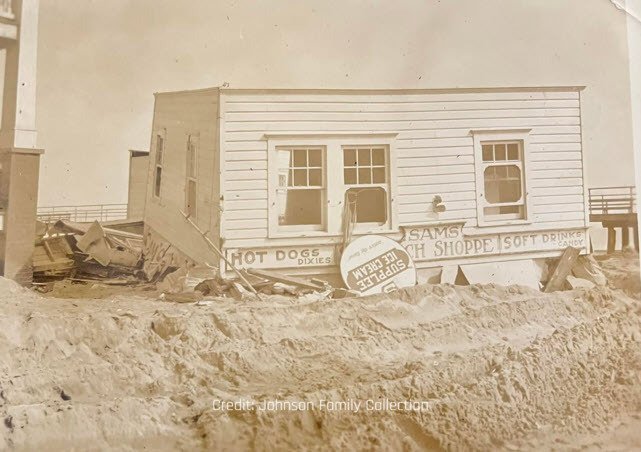
1944 Sam's St Charles Place- Image Credit: Johnson Family Collection
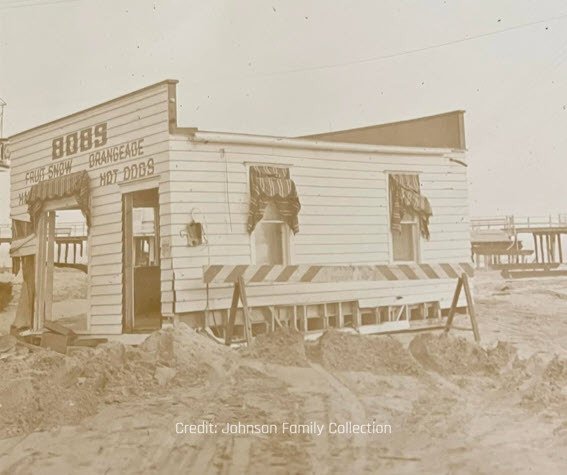
1944 Side View of Bob's 1st and Boardwalk- Image Credit: Johnson Family Collection
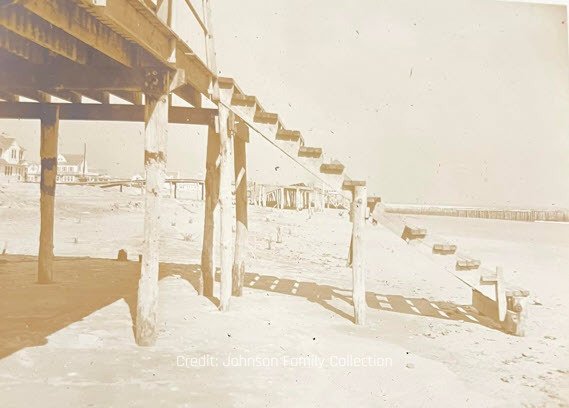
1944 St James Place and Boardwalk- Image Credit: Johnson Family Collection
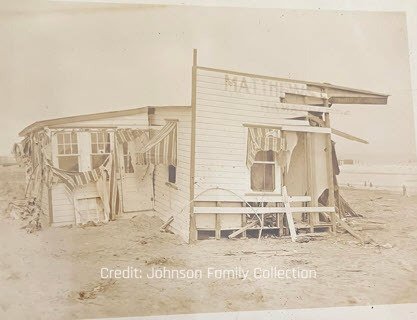
1944 St James Place- Image Credit: Johnson Family Collection
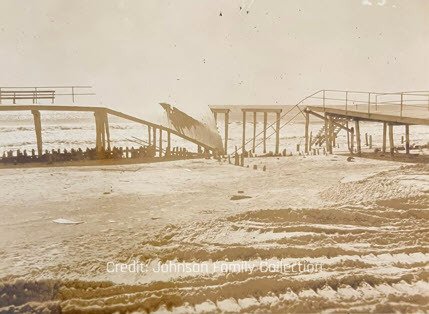
1944 Stenton Place- Image Credit: Johnson Family Collection

1944 Tabernacle- Image Credit: Johnson Family Collection